Feedback Loops
The Hidden Engines Shaping Your Life and Decisions

Were you forwarded this email? Subscribe here for free!
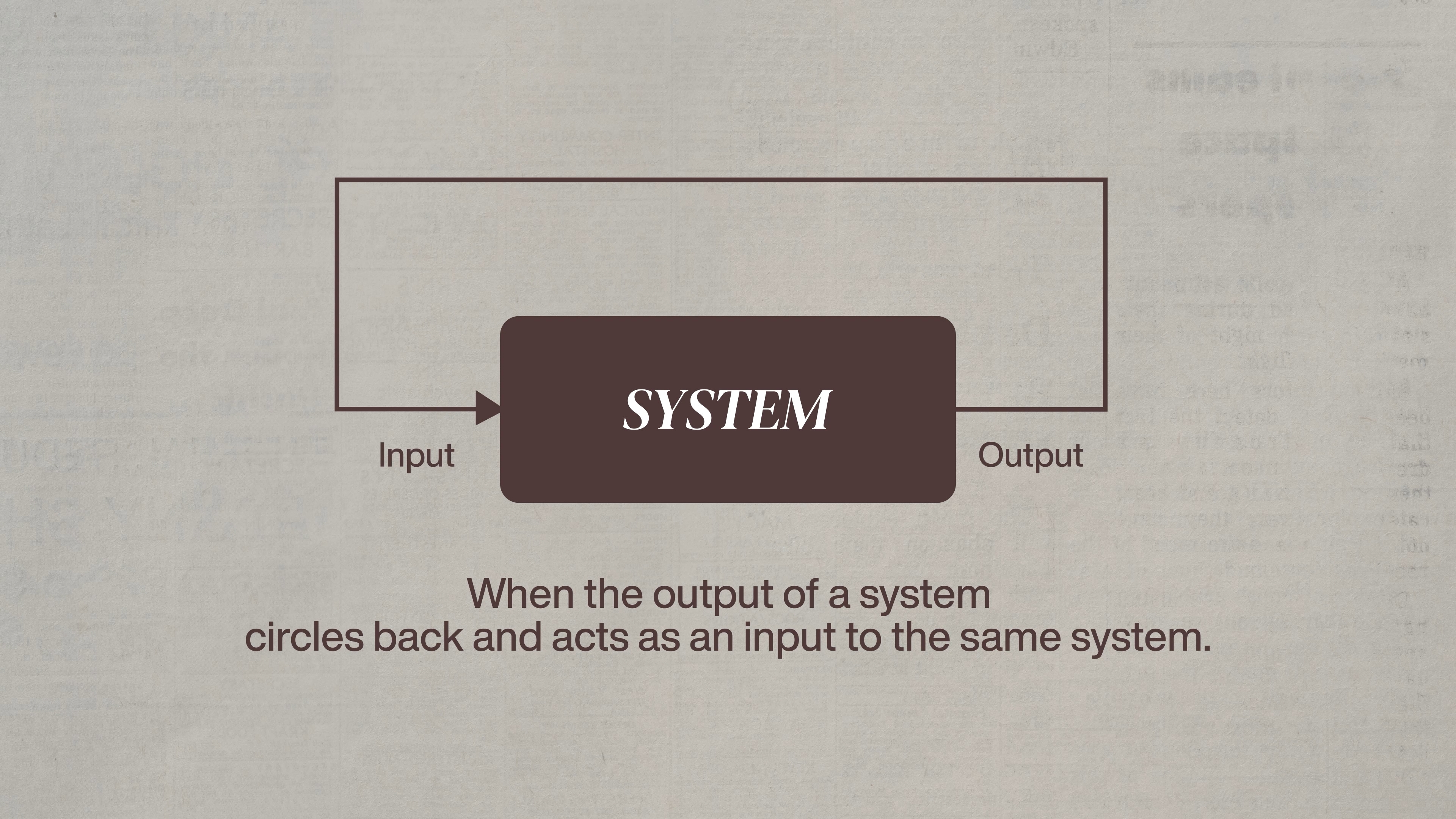
In systems, feedback isn’t passive information—it re-enters the system as new input, shaping future behavior. Build the correct feedback loops into your system, and the engine will continuously improve itself.
Two Types of Feedback Loops
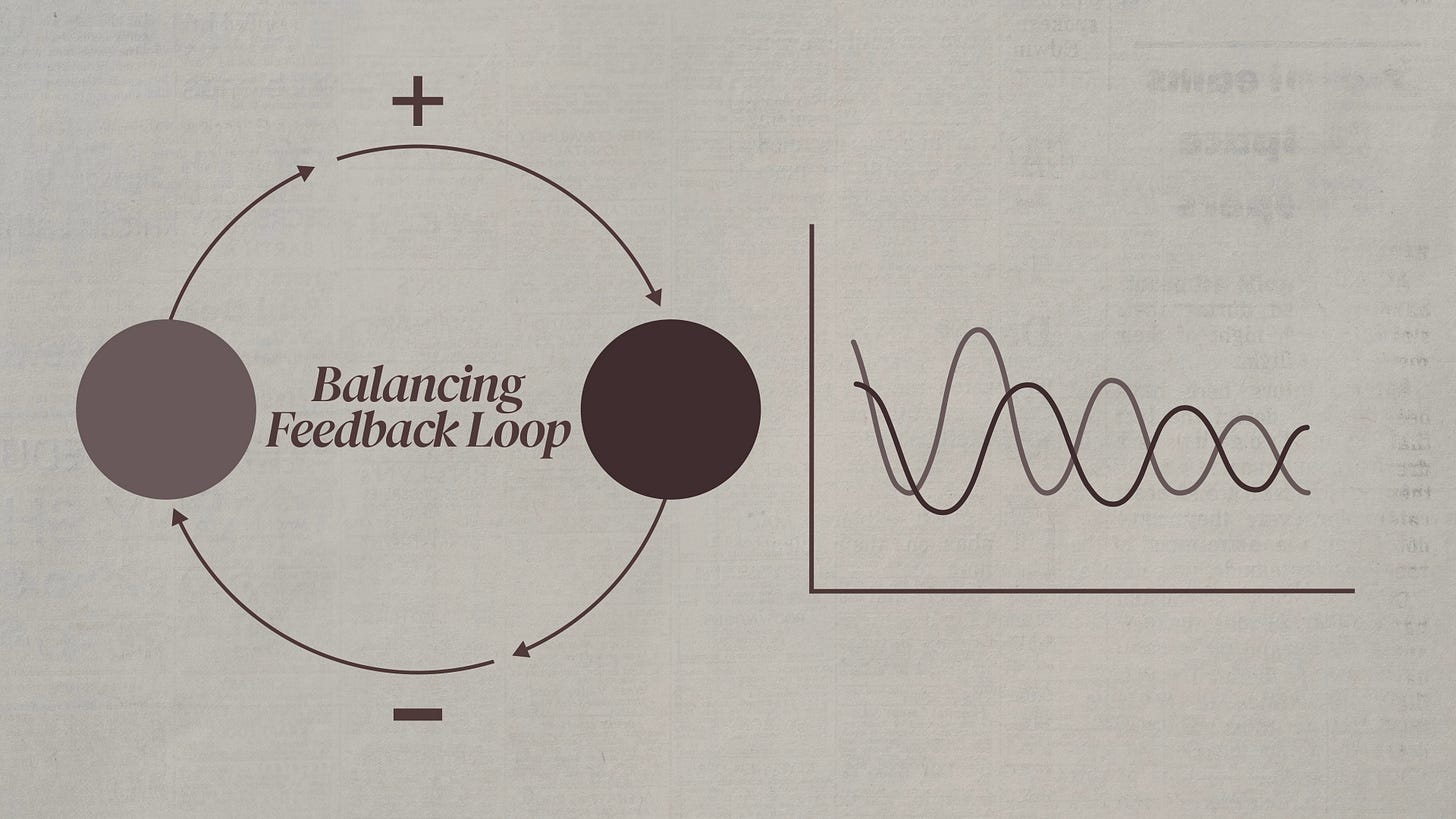
Balancing Loops — Pull toward equilibrium. Think of your home thermostat: room too cold → furnace activates → temperature rises → furnace shuts off. The system self-corrects to the set point. Balancing loops stabilize.
Reinforcing Loops — Amplify change
Positive example: A great product launches → users give feedback → team improves it → more users adopt → better feedback arrives → product improves faster. Success accelerates more success.
Negative example: One person robs a store and escapes → others see low risk → more robberies occur → crime rises unchecked.
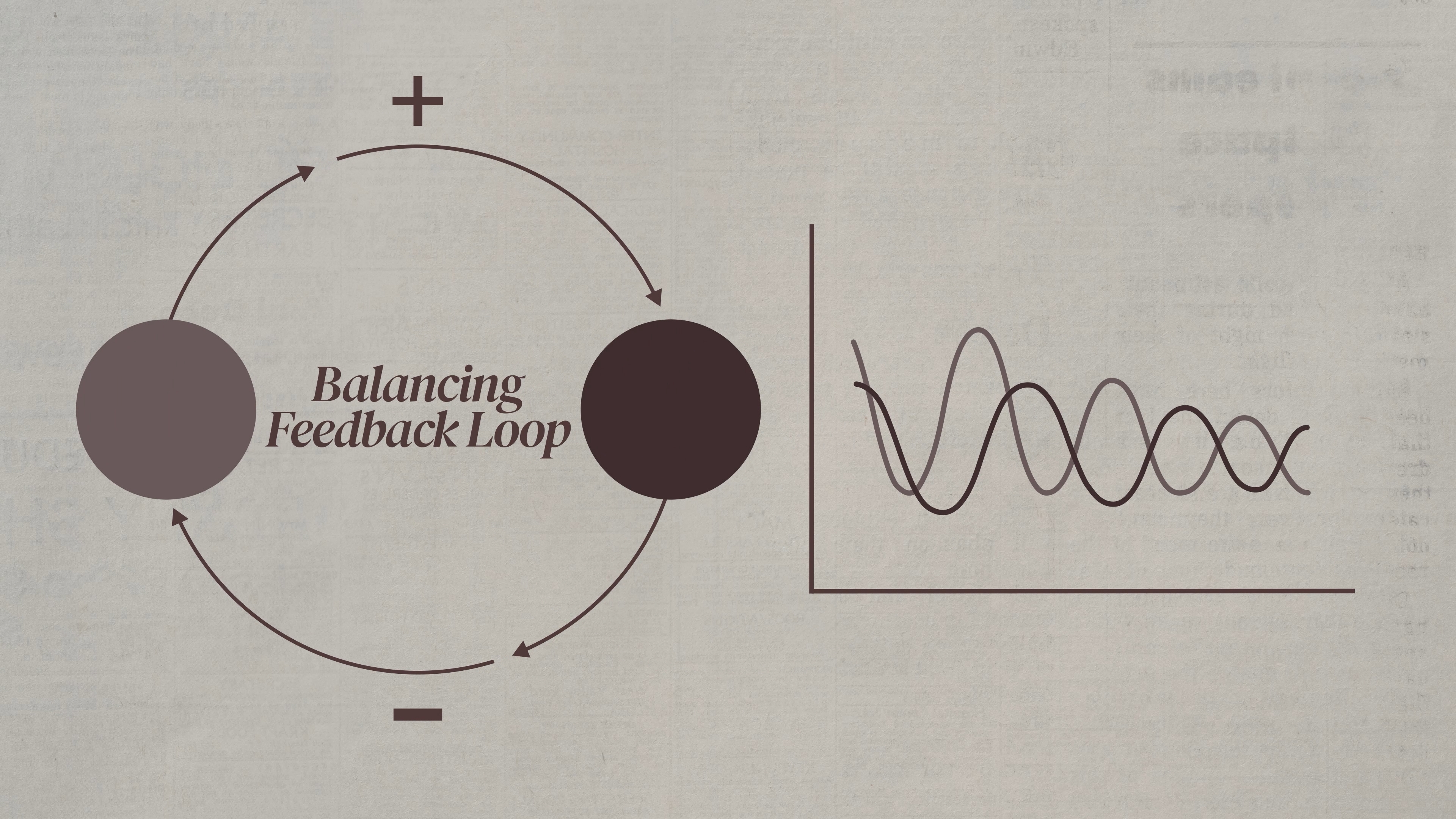
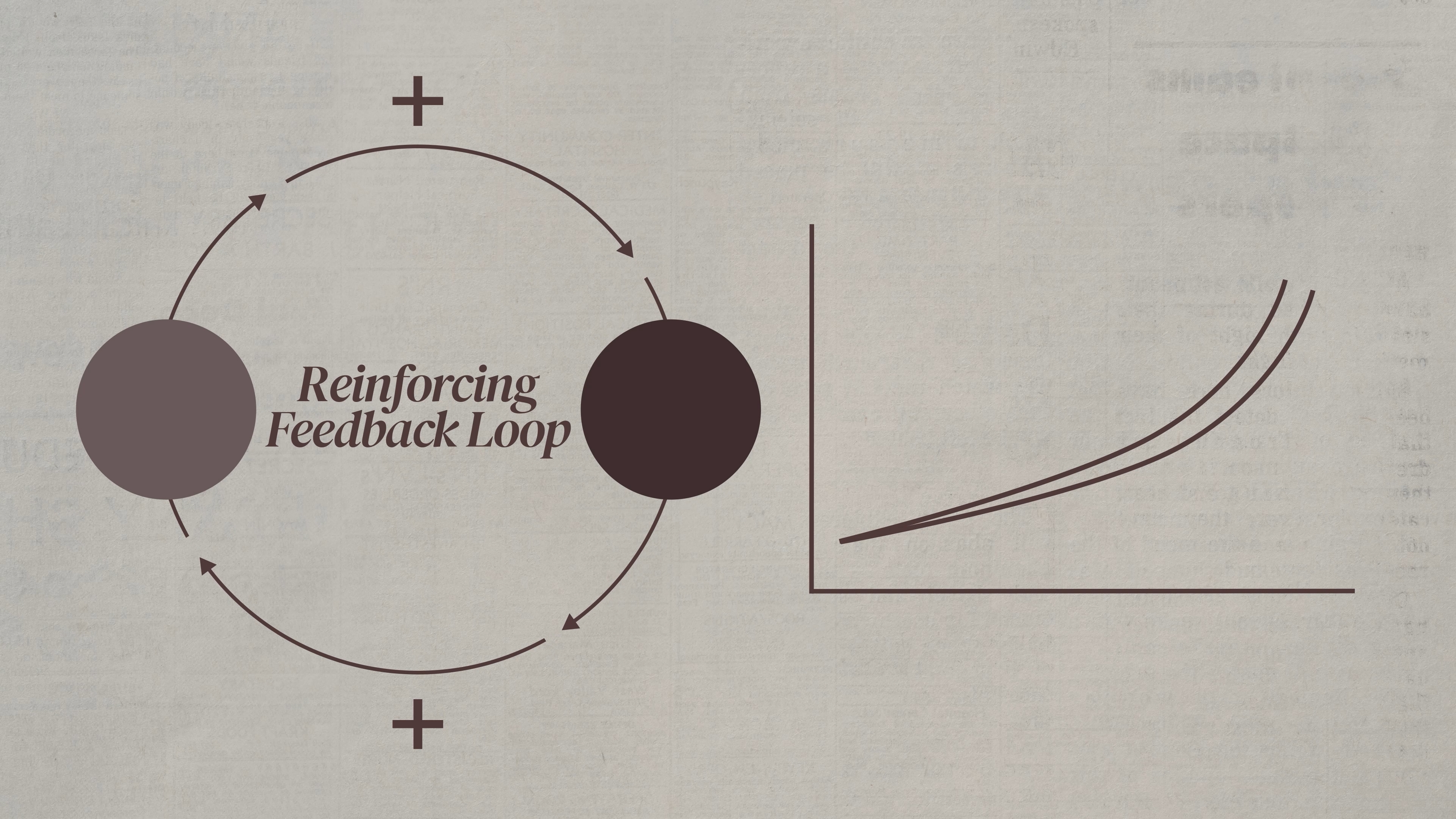
Reinforcing loops aren’t inherently good or bad, but unchecked, they become unsustainable.
Creating the Right Future Incentives
A poor choice today can ignite a negative reinforcing cycle that escalates over time.
Consider this scenario
Someone is kidnapped. The kidnapper contacts their family and demands a large ransom payment in exchange for the hostage’s safe return. The family has the financial means to pay. After deliberation, they decide to pay the ransom. The money is delivered, the hostage is released unharmed, and the immediate crisis ends. A life is saved.
But it broadcasts vulnerability. Kidnappers learn that their plan works, incentivising the behavior to repeat. Worse, it signals to potential kidnappers: “This works.” What starts as one incident spirals into a wave of abductions, eroding community safety.
Legal systems counter this by focusing forward. Judges weigh not just past harm but future deterrence. A lenient ruling on theft might normalize it, creating a reinforcing loop of crime. Harsh penalties disrupt that cycle early.
In business, rewarding short-term sales with bonuses might spike quarterly numbers but foster aggressive tactics that damage long-term customer trust. Instead, align incentives with sustained growth, like tying rewards to retention metrics. This can build positive reinforcing loops.
The takeaway: Audit decisions for downstream effects.
Influencing Behavior at the Margins
Systems aren’t monolithic; behavior shifts at the edges, where small adjustments yield big impacts. Effective strategies target these margins without assuming uniform responses.
In criminal law, marginal deterrence is key. If robbery carries the death penalty, a cornered thief has zero added cost for murder. No margin left to deter escalation. Scaled penalties preserve that margin: theft gets jail time, murder gets life. This balancing feedback responds proportionally, curbing severity.
As systems scale, so do unintended feedback loops. Ban public drinking? It might push consumption indoors, evading bartenders’ oversight. Home drinking rises, potentially normalizing excess drinking in front of children, seeding a future alcoholism loop. Does it increase domestic violence? Strain healthcare?
I don’t know, but the point is: it’s worth considering, before making such a change.
The insight: Map your system’s edges. Test tweaks for ripple effects. Make adjustments to lift the whole.
Dealing with Information Cascades
Information cascades are viral reinforcing loops: Decisions based on others’ actions, not independent facts, snowball into consensus—or collapse.
In markets, if early investors sell a stock amid rumors, others follow suit, assuming hidden knowledge. Prices plummet, not from fundamentals but mimicry. This self-reinforces: More selling validates the panic, triggering algorithms and mass exits.
Bank runs epitomize this: A whisper of insolvency prompts withdrawals. As lines form, fear spreads—customers rush in, depleting reserves, fulfilling the prophecy. Banks hold fractional reserves, so even an unjustified run on the bank can actually render the bank insolvent.
Ward Farnsworth notes: “Ignorance and uncertainty are the best soil for a cascade.” In elections, early polls sway undecided voters, cascading toward bandwagon effects. Social media amplifies: A viral post sparks outrage, prompting shares without verification, escalating misinformation.
To interrupt: Inject counter-information early. Regulators use stress tests to signal bank health, reducing uncertainty. Diversify sources to avoid herd traps.
In product launches, positive cascades build hype: Early adopters rave, drawing more users. But negatives cascade too— a flaw goes viral, tanking reputation. Monitor sentiment; pivot fast to balance.
The strategy: In uncertainty, pause and verify. Foster environments with diverse inputs to prevent fragile consensuses. Shocks can disrupt and reset.
Building Trust
Trust is the lubricant of complex societies—it enables cooperation at scale. Without it, defection loops erode everything.
We trust implicitly: Drivers obey lights, meat factories ensure safety, schools hire good teachers. Direct interactions build trust through repeated positive loops: Deliver once, earn loyalty, repeat.
For indirect trust, the law mediates. Contract enforcement deters breaches—knowing courts uphold agreements reinforces cooperation. After successful deals, gains accumulate, creating a virtuous cycle: Trust begets more trust.
Fishing quotas are a great example of forced cooperation. Unchecked, overfishing depletes stocks—a negative reinforcing loop: Scarcer fish incentivize more aggressive harvesting, collapsing the fishery. But, quotas place limits on the harvest, preserving the common good. Now that the stock is sustainable, fishermen are incentivized to play fair. The result? Everyone’s a winner.
Invest in mechanisms that reward cooperation early.
Feedback loops are highly customizable. Master these insights to use them to your advantage.
Inspired by The Great Mental Models Volume 3 by Shane Parrish. If you’re spotting feedback loops in your world, share in the comments—let’s discuss.
- Dante

*closing the loop on the previously mentioned movie “It’s a Wonderful Life.” If you haven’t seen it, I must insist you do. My favorite quote from the movie is, “Remember, no man is a failure who has friends.”
Check out my new website! I vibe-coded it from scratch using Cursor.
My Products
The Sunday Systems Weekly Planner (Free)
My Socials
YouTube. LinkedIn. Instagram. X
My last post went kind of viral. Here it is in case you missed it.